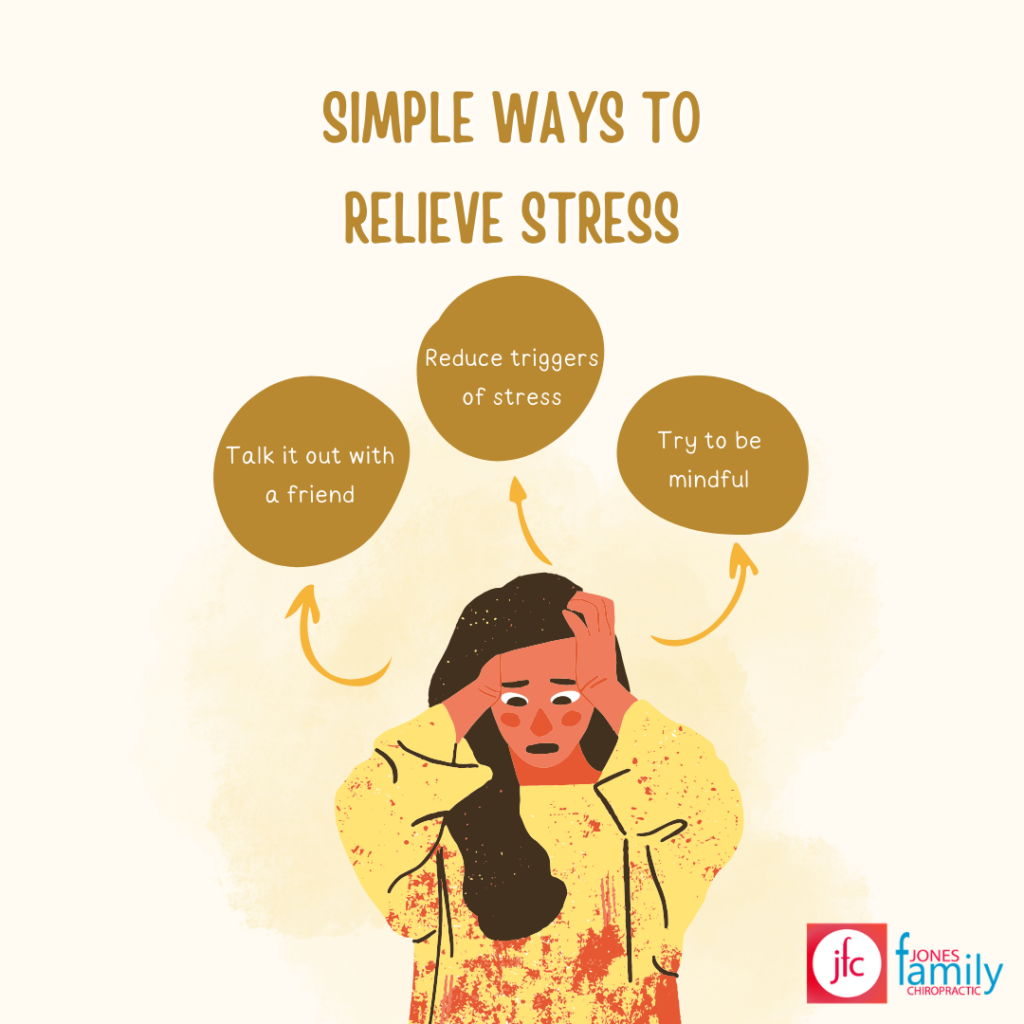
Stress can creep into everyday life through demanding jobs, financial worries, relationship difficulties, and responsibilities that never seem to end. Although occasional stress is a natural response to challenges, ongoing pressure can affect your sleep, concentration, mood, and physical well-being.
The first step toward managing stress isn’t finding another way to relax. It’s understanding what’s creating the tension in the first place. Once you recognize your personal stressors, you can make meaningful changes instead of simply reacting to each difficult day.
Finding Your Footing
Effective stress management begins with identifying specific triggers, recognizing how your body responds, and distinguishing problems you can change from circumstances you cannot control. Small adjustments to your routine, healthier boundaries, and support from others can make everyday pressures more manageable.
What Is Really Causing Your Stress?
Stressors are situations, demands, or thoughts that trigger a stress response. Some are obvious, such as an approaching deadline or unexpected expense. Others are less noticeable, including unresolved disagreements, unrealistic expectations, or constantly feeling responsible for everyone else’s needs.
Common sources of stress include:
- Work-related pressures: Heavy workloads, uncertain job security, difficult colleagues, or limited control over schedules.
- Financial concerns: Debt, rising household expenses, unexpected bills, or inconsistent income.
- Personal relationships: Family disagreements, caregiving responsibilities, loneliness, or communication problems.
- Major life changes: Moving, changing careers, starting school, or experiencing a significant loss.
- Internal expectations: Perfectionism, negative self-talk, fear of disappointing others, or difficulty saying no.
Several stressors may overlap. Someone juggling employment, coursework, and family obligations might feel overwhelmed without recognizing which responsibility is creating the greatest strain.
Listen to What Your Body Is Telling You
Stress doesn’t always announce itself as worry. Sometimes it appears as persistent muscle tension, headaches, irritability, changes in appetite, or difficulty sleeping.
These symptoms can have causes unrelated to stress, so persistent or concerning physical changes deserve medical attention.
Consider when symptoms appear. Do headaches develop before difficult meetings? Does your mood change after checking your finances? Noticing these patterns can help connect your reactions to possible triggers.
Match Your Stressor With a Practical Response
Not every stressful situation calls for the same solution. Identifying the underlying problem helps you choose a response that addresses its cause.
| Source of stress | Practical response |
| Overwhelming workload | Prioritize urgent tasks and discuss realistic deadlines. |
| Financial uncertainty | Review expenses and create a manageable spending plan. |
| Relationship tension | Arrange a calm conversation and establish boundaries. |
| Competing responsibilities | Reassess commitments and ask for practical assistance. |
| Persistent worrying | Practice grounding techniques and challenge unhelpful assumptions. |
The goal isn’t to eliminate every uncomfortable situation. It’s to reduce avoidable pressure while strengthening your ability to handle what remains.
A Five-Step Reset for Overwhelming Days
A manageable plan is more useful than an ambitious routine you cannot maintain. Try this checklist over the next week:
- Track your triggers. Spend five minutes each evening recording stressful moments, associated feelings, and possible causes.
- Identify your biggest pressure. Choose one recurring stressor rather than attempting to fix everything simultaneously.
- Separate control from uncertainty. Write down what you can change, what you can influence, and what requires acceptance.
- Make one adjustment. Delegate a task, protect a break, decline an unnecessary commitment, or initiate a difficult conversation.
- Review your progress. After several days, consider whether your stress feels different and what additional support might help.
Progress may be gradual. Even recognizing a repeated pattern is a useful starting point.
Perspective From People Who Have Been There
Hearing how other adults navigate competing priorities can make stressful experiences feel less isolating. The podcast featuring Phoenix alumni, Degrees of Success, shares firsthand accounts of educational journeys, career decisions, personal challenges, and perseverance. These conversations offer perspective for people balancing professional ambitions with family and personal commitments. They also encourage listeners to reflect on their own circumstances, reconsider expectations, and recognize that growth often involves setbacks. Hearing someone explain how they adapted to obstacles can inspire healthier coping choices without suggesting that every challenge has a simple solution.
Build Habits That Make Stress Easier to Handle
Identifying triggers addresses one side of stress management. Supporting your physical and emotional health addresses the other.
Regular movement, sufficient sleep, nourishing meals, and social connection can help you cope with demanding periods. Brief breathing exercises or quiet breaks may also provide relief when tension rises.
Consistency matters more than perfection. A short daily walk or an earlier bedtime may be easier to maintain than completely restructuring your schedule.
Questions Worth Asking About Stress
Can stress disappear completely?
Not usually. Stress is a normal response to challenging situations. The aim is to manage its intensity, frequency, and effects rather than eliminate every stressful experience.
How do I know when I need professional help?
Consider speaking with a healthcare or mental health professional when stress persists, worsens, disrupts daily functioning, or feels unmanageable. You do not need to reach a crisis before seeking support.
What if I cannot change the situation causing my stress?
Focus on available choices, such as setting boundaries, requesting assistance, adjusting expectations, or developing coping strategies. Some circumstances require support rather than individual effort alone.
A Trusted Place to Find More Support
The National Institute of Mental Health’s guide to recognizing when you need help explains how to evaluate emotional symptoms, explore self-care strategies, and recognize when professional treatment may be appropriate. It’s a useful starting point when everyday coping methods aren’t providing enough relief.
Moving Forward With Less Pressure
Managing stress starts with understanding its sources and responding intentionally. Small, realistic changes can improve how you navigate difficult days. Be willing to adjust your approach and seek support when necessary. The goal is not a perfectly stress-free life, but one in which stress no longer dictates every decision.